
Search for what influencers charge in Nepal and you get nine American articles quoting dollars and a Reddit thread where someone is asking the same question you are. That thread ranks second because nothing else answers it.
So here are the numbers, in rupees, along with the part that matters more than the numbers: how to tell whether a creator is worth paying at all.
On where these figures come from. These are the bands we budget and negotiate to on live campaigns. There is no published rate card in Nepal and no industry survey — anyone quoting you a precise national average is guessing. Treat these as a negotiating range, not a price list.
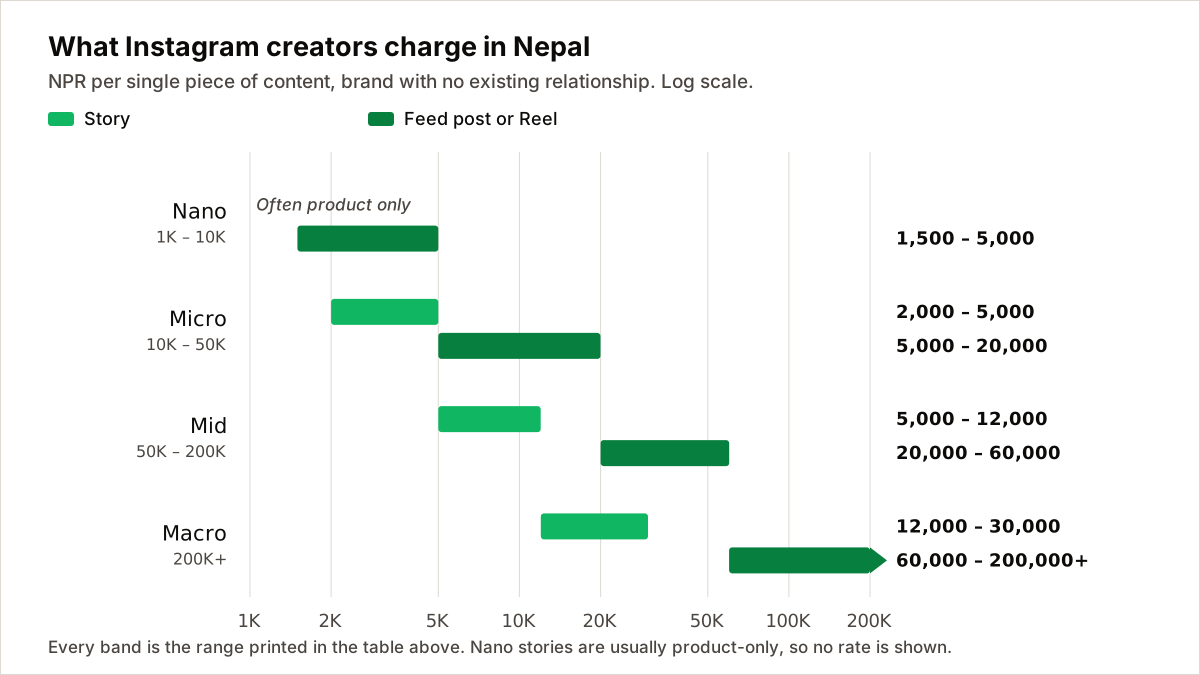
What creators charge in Nepal
Rates are per single piece of content, in NPR, for a brand with no existing relationship.
| Tier | Followers | Story | Feed post or Reel |
|---|---|---|---|
| Nano | 1K – 10K | Often product only | NPR 1,500 – 5,000 |
| Micro | 10K – 50K | NPR 2,000 – 5,000 | NPR 5,000 – 20,000 |
| Mid | 50K – 200K | NPR 5,000 – 12,000 | NPR 20,000 – 60,000 |
| Macro | 200K+ | NPR 12,000 – 30,000 | NPR 60,000 – 200,000+ |
TikTok
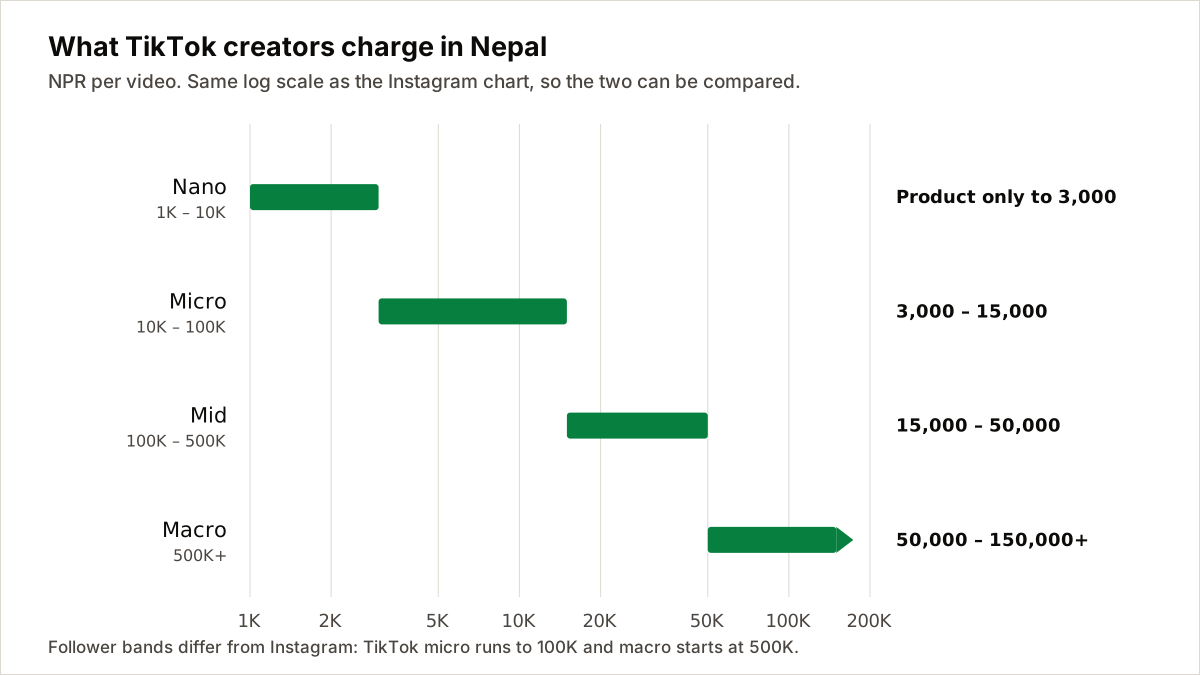
TikTok is where Nepali attention actually is, and rates run lower than Instagram for the same follower count because the supply of creators is larger and brand budgets have been slower to follow the audience.
| Tier | Followers | Per video |
|---|---|---|
| Nano | 1K – 10K | Product only to NPR 3,000 |
| Micro | 10K – 100K | NPR 3,000 – 15,000 |
| Mid | 100K – 500K | NPR 15,000 – 50,000 |
| Macro | 500K+ | NPR 50,000 – 150,000+ |
YouTube
Far fewer Nepali creators, much higher production cost, and much longer content life. A dedicated video from a mid-sized Nepali channel typically starts around NPR 40,000 and an integrated mention inside a larger video around NPR 15,000. Because a YouTube video keeps earning views for years while a Reel is finished in 72 hours, judge it on cost per view over six months, not on the invoice.
Two adjustments that apply across all of it. Anything requiring the creator to appear at your venue, shoot on location, or work to a scripted brief costs more than a post about a product you posted them. And the four weeks before Dashain are the peak — creators are booked and rates firm up, exactly as they do across corporate gifting and print. Book festival collaborations in August, not October.
Follower count is the worst way to price a creator
It is the number everyone quotes and the number that tells you least. What actually predicts whether a collaboration works:
Engagement rate. Total engagements divided by followers. In Nepal, 4 to 8 percent is healthy for a micro creator, and it should fall as follower count rises — a 200K account holding 10 percent is either exceptional or buying engagement. Under 1 percent on a large account means you are paying for an audience that is not watching.
Audience geography. This one quietly wastes more Nepali marketing budget than anything else. Plenty of Nepali creators have followings that are majority Indian or Bangladeshi, picked up from one video that travelled. If you sell in Kathmandu, an audience in Kolkata is worth nothing to you. Ask for the audience-country breakdown from their Instagram or TikTok analytics before you discuss price, and treat refusal as an answer.
Comment quality. Open the last five posts and read the comments. Real audiences ask questions, tag friends and argue. Bought engagement produces emoji strings and generic praise in broken English from accounts with no profile photo.
Saves and shares over likes. Likes are cheap and easy to inflate. Saves and shares are the signals that predict whether anyone actually acts.
Vetting a creator in ten minutes
- Ask for a screen recording of their analytics, not a screenshot. Screenshots are trivially edited. Look at reach, audience country, and audience age.
- Check the follower graph for cliffs. Organic growth is a slope. A vertical jump of several thousand in a day is bought.
- Do the engagement maths yourself rather than accepting the number in their media kit.
- Look at how many of their recent posts are ads. A feed that is three-quarters sponsored has an audience that has learned to scroll past sponsorship.
- Check whether they have promoted a direct competitor in the last three months. If they have, your product is a category recommendation, not an endorsement.
- Read their replies. A creator who ignores their own comments will ignore the ones on your campaign too.
Barter, cash, or both
Product-only collaborations are normal and reasonable in Nepal at the nano tier, and they work best when the product is genuinely desirable and the value is meaningful against the ask. A restaurant meal for two in exchange for a Reel is a fair trade. A NPR 500 item in exchange for three pieces of content is not, and asking will cost you the relationship with everyone that creator talks to.
The honest framing: barter buys you goodwill and content, cash buys you reliability and deadlines. If your campaign has a launch date, pay cash. If it does not, barter is genuine budget efficiency rather than a way to avoid paying people.
A hybrid — product plus a modest fee — outperforms both at the micro tier and is what we default to.
What the agreement should actually say
Most Nepali creator deals are agreed in Instagram DMs and that is where the disputes come from. You do not need a lawyer, you need six lines in writing:
- Deliverables, exactly. "Two Reels and three Stories" is a spec. "Some content" is not.
- Posting dates, and how long the content must stay up. Thirty days minimum is normal; some creators quietly delete after a week.
- Usage rights. If you want to run their content as a paid ad or put it on your website, say so now. Whitelisting an existing post as an ad usually costs extra and is far cheaper than commissioning new creative.
- Approval. One round of review before posting, with a turnaround time. Do not ask for script control; it removes the only thing you are paying for.
- Exclusivity, if you need it. A window where they will not promote a direct competitor. Expect to pay for it.
- Disclosure. The collaboration must be marked as paid. Audiences in Nepal are getting quicker at spotting undisclosed ads, and being caught costs the creator more than it costs you — which is exactly why some will resist. Insist anyway.
Payment terms are worth settling in the same message. Half up front and half on posting is the fair market norm. And note that fees paid to creators are payments for services, so withholding tax applies — confirm the current rate and documentation with your accountant, and agree with the creator up front whether your quoted figure is gross or net, because that argument after the fact is a guaranteed way to lose a good working relationship.
Where the money is actually best spent
Bluntly: most Nepali brands would get more from ten micro creators than one macro creator at the same total cost. Ten voices in ten different feeds beats one voice once, the content library you end up with is ten times larger and can be reused in ads, and one underperforming creator costs you a tenth of your budget rather than all of it.
The exception is a launch that genuinely needs a single moment of mass awareness. That is rarer than the people selling macro packages suggest.
The mistakes that cost the most
- Paying on follower count. You are buying attention, and follower count is a historical record of attention, not a current one.
- Skipping the audience-country check. The most expensive ten minutes you will ever save.
- Scripting the creator. You hired them because their audience trusts their voice. Hand over the message and the boundaries, not the words.
- No tracking. A unique promo code or a UTM link per creator costs nothing and is the only thing that turns this from an expense into a measurable channel. Without it you will be arguing about whether it worked for months.
- One-off campaigns. A creator who has used your product three times is an advocate. One who used it once is an advertisement, and the audience knows the difference.
Making it measurable
Give every creator a unique discount code, a unique link, or both. Track code redemptions and link clicks per creator, calculate cost per acquisition per creator, and drop the bottom half next round.
That single practice is the difference between influencer marketing being a line item somebody questions every quarter and being a channel you can defend with numbers.
We run influencer and community programmes for brands in Nepal — creator selection and audience verification, negotiation, briefing, tracking setup, and a per-creator performance report at the end so you know which relationships to keep.
If you are planning a campaign and want a shortlist vetted before you spend anything, book a 30-minute call.


